Commercial Water Extraction in Houston, TX 77069
A flooded office corridor, soaked warehouse carpet, or backed-up restaurant floor can halt business quickly. For 24 hour flood water removal Houston businesses can reach Houston Water Damage Pros, the local water extraction company in my area for commercial properties.
How It Works
Getting the services you need is simple, fast, and completely hassle-free. We handle the heavy lifting so you don't have to.
1. Request a Quote
Call us or fill out our online form. We provide transparent, upfront pricing with no hidden fees.
2. Schedule Service
Choose a date that works for you. We offer flexible scheduling and on-time reliable delivery.
3. Job Done
We handle the delivery, service, and prompt pickup. You focus on your project, we handle the rest.
Services We Offer in Houston
Explore our full range of professional services — each tailored to meet your specific needs with quality and reliability.
Commercial Water Extraction
Commercial extraction covers offices, warehouses, and retail sites, including slab leaks. Typical drying runs $4,000–$18,000, shaped by equipment days.
Apartment Water Extraction
Apartment Water Extraction covers wet units, carpet, and shared walls; typical jobs run $350–$1,000, depending on square footage and access.
Category 3 Water Extraction
Category 3 extraction handles sewage, contaminated carpet, and crawl space water; typical jobs run $2,500–$8,000 based on biohazard disposal and access.
Office Building Water Extraction
Office flood extraction covers slab leaks, carpet, and wall drying; commercial jobs often run $4,000–$18,000, driven by equipment days.
Restaurant Water Extraction
Restaurant kitchen extraction covers slab leaks, crawl-space water, and Category 3 containment. Typical jobs run $500–$5,000 based on access and contamination.
Water Heater Leak Extraction
Water heater leak extraction removes tank water from carpet, slab, and subfloors. Typical jobs run $500–$2,500, depending on access and drying time.
Burst Pipe Water Extraction
Covers burst-pipe water removal from carpet, hardwood, and walls; whole-house jobs typically run $2,000–$7,500 based on water category.
Carpet Water Extraction
Carpet water extraction removes moisture from fibers and padding after leaks or floods. One-room jobs often run $350–$1,000, based on square footage and access.
Roof Leak Water Extraction
Roof leak extraction for attics, drywall, and flooring, using a 500 GPH extractor and LGR drying. Typical jobs run $500–$2,500 by roof size and access.
Why Local Businesses & Homeowners Choose Us
We're committed to delivering exceptional emergency water extraction & drying in Houston with professionalism you can count on.
Licensed & Insured
Every job is backed by full licensing and insurance coverage for your complete peace of mind.
Fast Response Times
We understand urgency. Contact us and get a response within hours, not days.
Upfront, Transparent Pricing
No hidden fees, no surprises. Get a clear quote before any work begins.
4.9-Star Rated
Hundreds of satisfied customers in Houston trust us for reliable, professional service.
Experienced Professionals
Our team brings years of hands-on expertise to every project, big or small.
Satisfaction Guaranteed
We stand behind our work. If you're not happy, we'll make it right.
Ready to Get Started?
Call now for a free estimate in Houston. Same-day service available!
What Signals Commercial Extraction Problems?
A Houston office may look usable while moisture remains beneath carpet, inside walls, or below resilient flooring. These commercial triggers call for measured water removal rather than a shop vacuum.
-
Carpet stays wet: Soggy carpet that will not dry can damage adhesive and padding. Our crew performs carpet extraction, moisture mapping, and documents the dry standard.
-
Odor follows a burst pipe: A musty odor can indicate trapped moisture behind gypsum wallboard. We compare readings with a psychrometric chart and place an LGR dehumidifier.
-
Ceiling stains spread: Water stains may signal wet insulation or concealed leaks. A thermal imaging scan helps locate affected areas before selective removal.
-
Flooring swells: Warped hardwood or OSB subfloor sheathing may require Class 4 specialty drying. We use moisture readings and air mover placement rather than guessing.
Houston has a humid subtropical climate year-round, so high humidity fuels mold after leaks. If carpet remains wet, odor grows, or ceiling stains expand, schedule commercial water extraction before secondary damage develops.
What Happens During Commercial Extraction?
The first operational step is a site review covering water source, affected rooms, access, and business restrictions.
-
Secure the site: Shut off water supply first, isolate unsafe areas, and pack-out contents before extraction. Our team protects corridors and records the affected materials inventory.
-
Classify and measure: We inspect water category, take moisture readings, and map walls, flooring, and contents. Houston humidity and nearby Buffalo Bayou Park conditions can affect drying targets.
-
Extract water: A truck-mount extractor rated at 500 GPH handles broad commercial areas. For storm-related flood water removal, our crew also considers silt, debris, and discharge handling.
-
Dry and verify: Injectidry InterAir equipment can dry wall cavities while air movers and LGR units control moisture. Daily readings continue until IICRC S500 targets support a dry standard.
Mold growth can begin within 24–48 hours, so an organized response protects operations without promising an arbitrary completion time.
Why Use Professionals for Office Drying?
After a pipe break near The Galleria or flooding around Downtown Houston, improvised drying can leave tenants, inventory, and records exposed. Professional commercial water extraction connects equipment choices with documentation and building requirements.
- Permit review: City of Houston Building Code Enforcement may require flood repair permits for certain repairs. Our team identifies when extraction, demolition, or rebuild work needs coordination.
- Measured equipment: Office high-rises and retail storefronts need different access plans. We size air movers, dehumidifiers, and extraction capacity instead of copying a residential setup.
- Safe handling: Category 3 black water requires barriers, PPE, and controlled waste practices. OSHA guidance and EPA RCRA rules help shape contaminated-material handling.
- Clear value: A written scope separates extraction, drying, demolition, and follow-up. That right-sizing can reduce rework while accounting for apartment complexes, contents, and equipment days.
ASTM International guidance and the National Institute of Building Sciences help inform sound building decisions. Houston Water Damage Pros can review the site and connect customers with office building water extraction when needed.
What Should Managers Prepare Before Extraction?
Before commercial water extraction, managers should photograph affected rooms, note the leak time, and identify areas closed to staff. Clear a narrow equipment path, reserve loading access, and protect elevators with elevator pad protection commercial teams commonly need.
Share floor plans, approximate square footage, flooring types, ceiling heights, and utility locations. These details help our crew compare a truck mount versus portable water extractor access and plan same day flood extraction.
Keep employees away from wet floors and identify dedicated circuits for drying equipment. A high water table slows slab drying, especially around Houston properties near Brays Bayou, so slab readings matter.
Our team uses moisture mapping, affected materials inventory, and daily readings under IICRC S500 water restoration procedures. Category 3 discharge may also require TCEQ wastewater rules, while mold-related work can involve ANSI/IICRC S520. Send photos and access notes with a commercial extraction request for a more accurate scope.
Which Commercial Extraction Jobs Are Included?
A warehouse near the Port of Houston may need pump-out work, while a restaurant may need contained cleanup around food areas. Our commercial coverage matches the water source, building materials, and operating restrictions.
- Office Building Drying: We extract carpet and wall moisture while planning around elevators, tenants, and occupied corridors.
- Warehouse Water Removal: Pumping, debris handling, and slab moisture checks address large open floors and stored inventory.
- Restaurant Water Extraction: We manage kitchen water, contaminated materials, and sanitation concerns before reopening decisions.
- Apartment Water Extraction: Burst pipes and toilet overflows can affect multiple units, requiring coordinated access and documentation.
- Subfloor Structural Drying: Moisture mapping identifies wet OSB and concrete beneath finished flooring. Subfloor drying may reduce unnecessary tear-out.
- Category 3 Water Extraction: Sewage or storm water receives containment, HEPA filtration, and controlled wastewater handling.
The IICRC S500 water restoration standard guides extraction and verification. Our crew records moisture mapped areas so managers can see where water is gone and where follow-up remains.
How Much Does Office Drying Cost?
A flooded commercial suite may need extraction, drying, demolition, or contents handling, so the useful quote separates each scope. Final quotes vary by water category, square footage, and site access.
- Commercial office drying: $4,000–$18,000 equipment days, affected floors, and operating-hour limits.
- One-room extraction: $350–$1,000 square footage, carpet condition, and extraction volume.
- Burst-pipe whole house: $2,000–$7,500 water category and structural materials.
- Category 3 sewage job: $2,500–$8,000 biohazard disposal, containment, and demolition.
- Basement flood extraction: $1,800–$6,500 pump hours, debris, and discharge access.
A truck-mounted unit may lower labor time on open floors, while narrow access can require portable equipment. Review related standing water removal needs with Houston Water Damage Pros at (380) 227-2259 for a final quote matched to the job scope.
Frequently Asked Questions
Got questions about emergency water extraction & drying in Houston? We have answers.
Can Commercial Water Extraction handle an after-hours office flood in Houston?
Yes, Commercial Water Extraction can be planned around after-hours access, elevator restrictions, and tenant safety requirements. Our team documents moisture mapping, uses air mover placement carefully, and accounts for Houston humidity when setting drying expectations.
What should managers send before scheduling Commercial Water Extraction?
Managers should send photos, approximate square footage, affected materials, water-source details, and parking or loading instructions before scheduling Commercial Water Extraction. Those details help size an LGR dehumidifier, plan equipment paths, and prepare an accurate written scope.
Do Commercial Water Extraction jobs need Houston permits or code review?
Commercial Water Extraction itself may not require a repair permit, but demolition and reconstruction can involve Houston Building Code flood repair permits. Our crew follows IICRC S500 procedures and coordinates questions with City of Houston Building Code Enforcement when structural repairs enter the scope.
When should Commercial Water Extraction be bundled with sewage cleanup or wall drying?
Commercial Water Extraction should be bundled with Category 3 Water Extraction after sewage or storm contamination, and with Wall Cavity Drying when insulation or gypsum wallboard remains wet. Category 3 work requires containment, HEPA filtration, and disposal practices consistent with EPA RCRA requirements.
What does completion look like after Commercial Water Extraction?
Completion means standing water is removed, affected materials are documented, readings support the dry standard, and remaining repairs are clearly identified. Our team keeps a daily monitoring log and can coordinate mold inspection, drywall rebuild, or contents restoration when follow-up work remains.
Meet Your Local Experts
Michael Ramirez Lead Expert
Houston Water Damage Pros
"Fast Water Extraction, Thorough Structural Drying"
I started in Houston building maintenance, then moved into water-loss response after seeing how quickly local humidity can damage gypsum wallboard, flooring, and contents. I learned the trade through hands-on burst pipe, storm, and slab leak work across the Houston Heights, Montrose, and neighborhoods near Buffalo Bayou Park. Today, I rely on IICRC S500 procedures, moisture mapping, and psychrometric chart readings to help families recover before secondary damage spreads.
Featured Work & Projects
Browse our recent jobs and quality workmanship for customers across Houston.
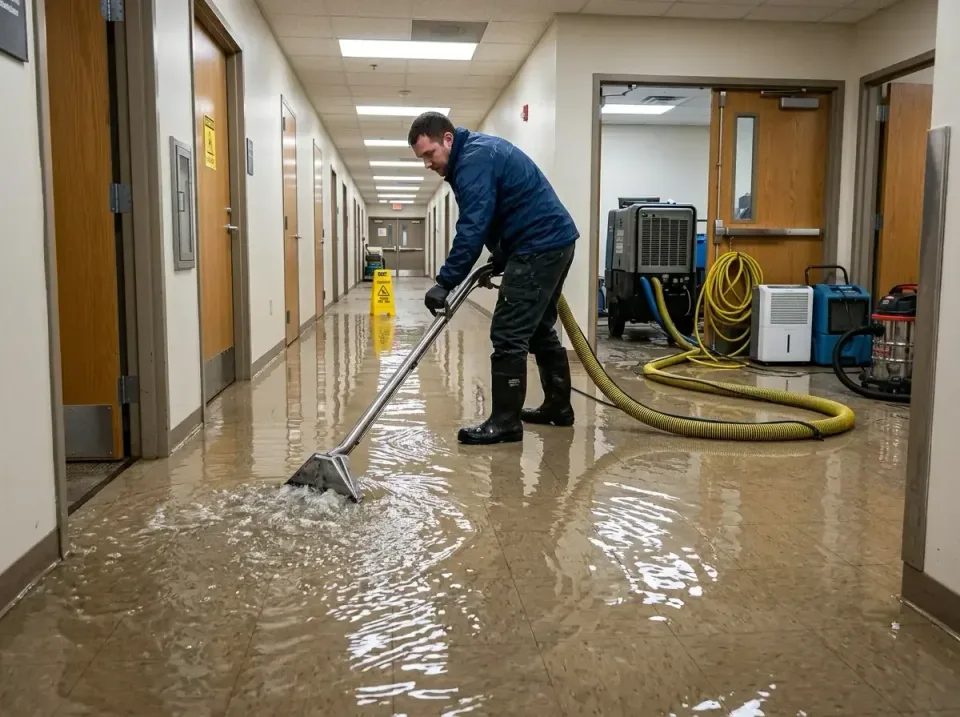
Water Extraction Wand — Commercial Building
Complete on-site emergency water extraction & drying execution
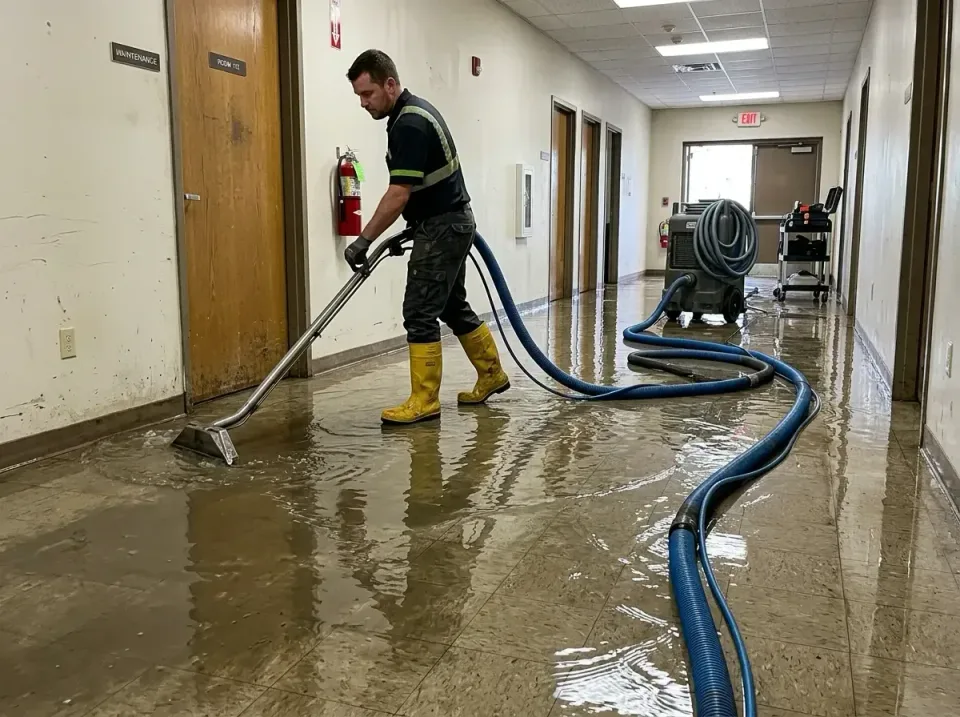
Water Extraction Wand — Commercial Building
Same-day delivery and flexible scheduling
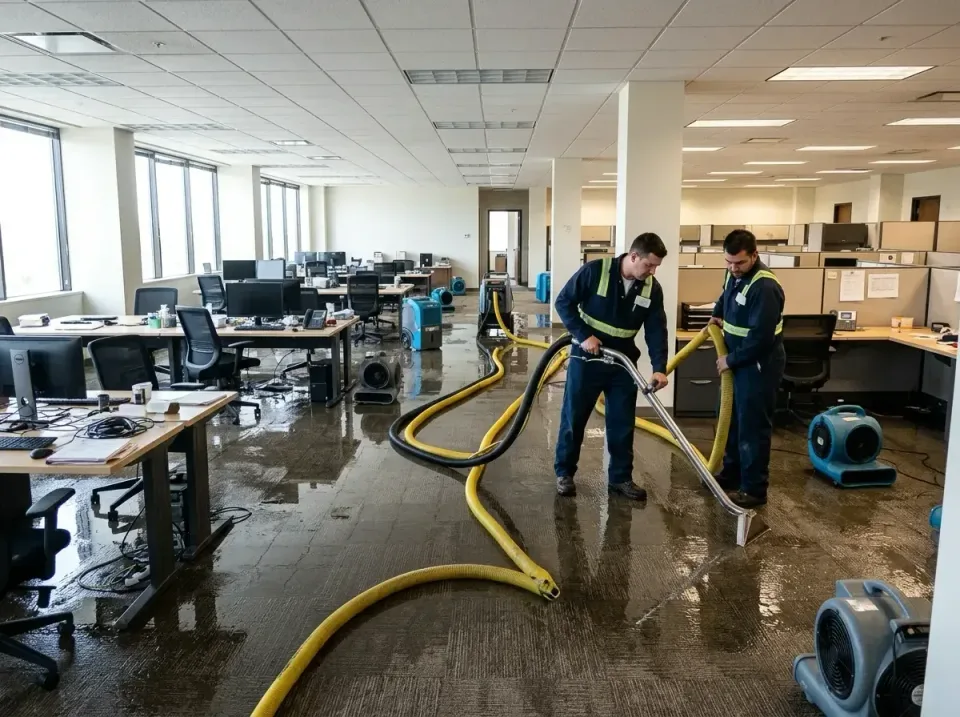
Water Extraction Wand — Commercial Building
Heavy-duty equipment placement and prompt pickup
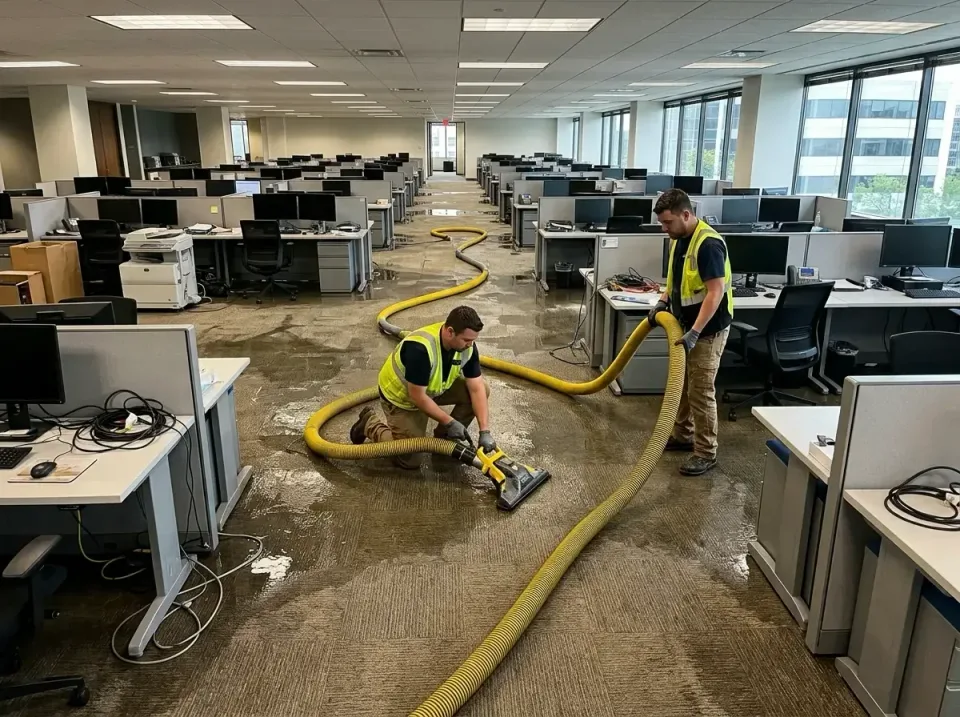
Water Extraction Hose — Commercial Building
Custom service setup tailored to site needs
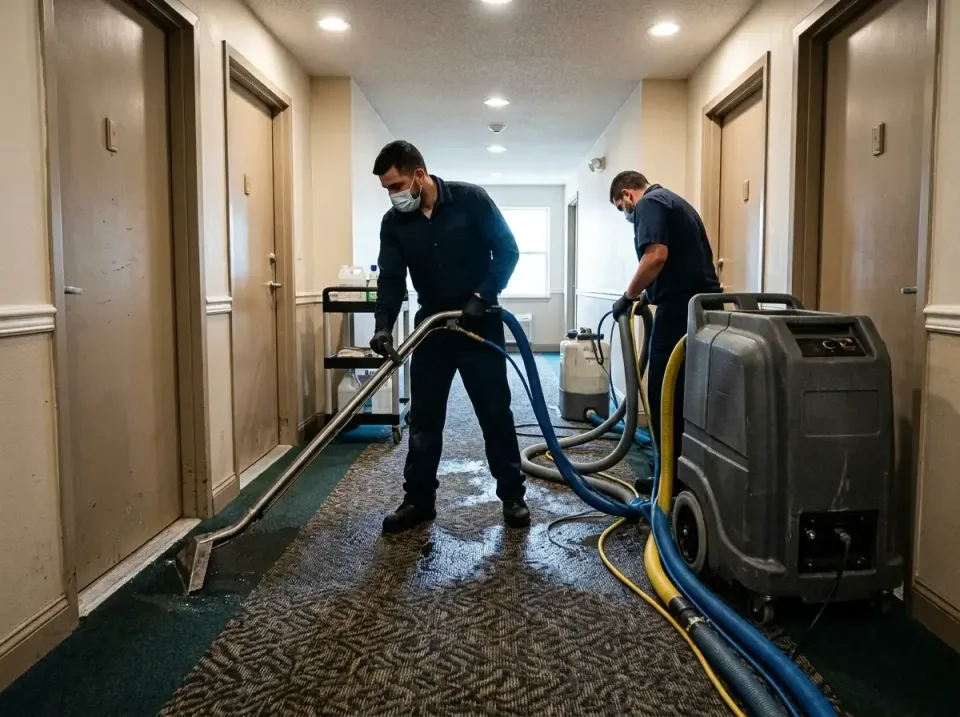
Water Extraction Wand — Indoor
Event-ready restroom and sanitation deployment
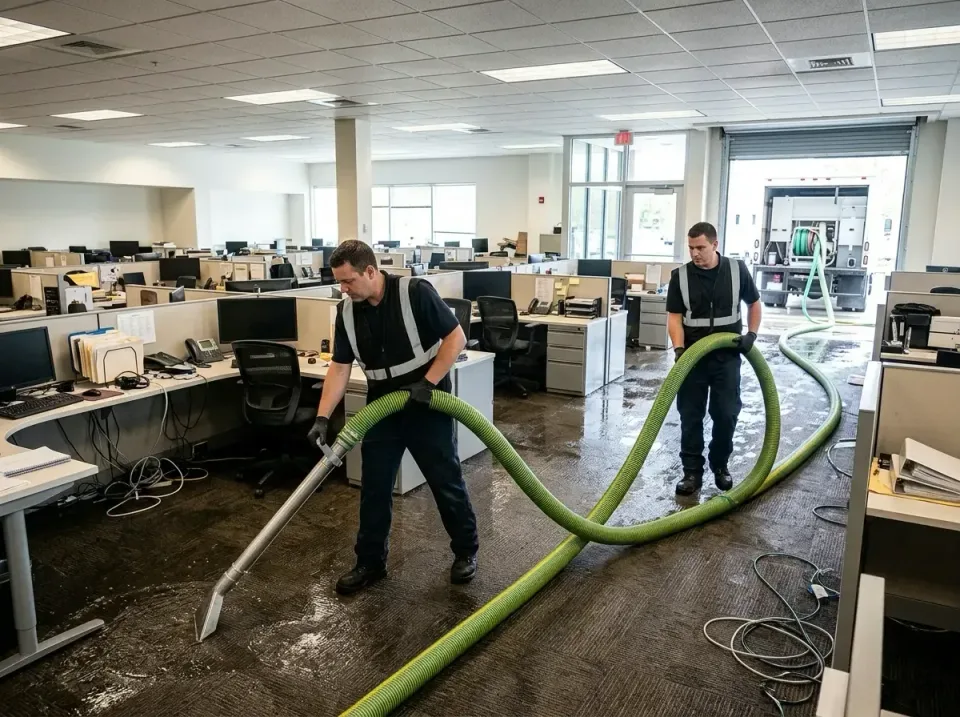
Extraction Wand — Commercial Office
Construction site service with reliable maintenance
Get Your Free Quote Today
Fast response · No obligation · Transparent pricing
Call now or request a quote online. We'll have your units scheduled and delivered within 24 hours.
Where We Serve
Emergency Water Extraction & Drying available across Houston and nearby communities.