Post-Flood Drying in Houston, TX 77069
Floodwater can leave OSB subfloors damp long after the surface looks clean, while crawl space drying remains unfinished below. Houston Water Damage Pros tracks the affected materials inventory so post-flood drying addresses hidden moisture, not just visible water.
How It Works
Getting the services you need is simple, fast, and completely hassle-free. We handle the heavy lifting so you don't have to.
1. Request a Quote
Call us or fill out our online form. We provide transparent, upfront pricing with no hidden fees.
2. Schedule Service
Choose a date that works for you. We offer flexible scheduling and on-time reliable delivery.
3. Job Done
We handle the delivery, service, and prompt pickup. You focus on your project, we handle the rest.
Services We Offer in Houston
Explore our full range of professional services — each tailored to meet your specific needs with quality and reliability.
Post-Flood Drying
Post-flood drying covers subfloors, wall cavities, and crawl spaces; typical projects run $1,200–$6,500, based on access and equipment days.
Hardwood Floor Drying
Hardwood drying covers warped floors and damp subfloors using thermal imaging and LGR equipment; typical jobs run $800–$3,500 based on square footage and access.
Subfloor Drying
Subfloor drying for wet OSB, hardwood, and slab areas, including tight 18-inch crawl access. Typical jobs run $500–$3,500 based on access and equipment days.
Storm Flood Extraction
Storm flood extraction removes silt and standing water from homes or commercial sites. Typical jobs run $1,000–$6,000, depending on access and debris.
Wall Cavity Drying
Wall cavity drying for burst pipes and wet insulation, using HEPA air scrubbers, a 500 GPH extractor, and a Phoenix R250 LGR. Typically $500–$1,500, based on access.
Hurricane Flood Water Removal
Hurricane cleanup covers carpet water extraction, burst pipe water extraction, and Class 4 drying for hardwood, plaster, or concrete. Typical jobs run $2,000–$8,000, based on access and water category.
Emergency Structural Drying
Structural drying uses 2,400-CFM air movers; crawl access needs 18 inches and a 2-inch hose. Typical jobs run $1,500–$6,000, based on access.
Flood Water Removal
Flood cleanup for homes, businesses, and crawlspaces, including pump-out and debris removal. Typical jobs run $1,500–$6,000, depending on access.
Basement Flood Extraction
Basement flood extraction removes standing water, debris, and wet materials using truck-mount equipment. Typical jobs cost $1,800–$6,500, depending on pump hours.
Why Local Businesses & Homeowners Choose Us
We're committed to delivering exceptional emergency water extraction & drying in Houston with professionalism you can count on.
Licensed & Insured
Every job is backed by full licensing and insurance coverage for your complete peace of mind.
Fast Response Times
We understand urgency. Contact us and get a response within hours, not days.
Upfront, Transparent Pricing
No hidden fees, no surprises. Get a clear quote before any work begins.
4.9-Star Rated
Hundreds of satisfied customers in Houston trust us for reliable, professional service.
Experienced Professionals
Our team brings years of hands-on expertise to every project, big or small.
Satisfaction Guaranteed
We stand behind our work. If you're not happy, we'll make it right.
Ready to Get Started?
Call now for a free estimate in Houston. Same-day service available!
What Shows Post-Flood Drying Is Incomplete?
A home near Buffalo Bayou Park may look recovered while trapped moisture continues moving through floors, walls, and insulation. Houston’s humid subtropical climate year-round makes surface dryness an unreliable finish line.
-
Soggy carpet: A pad that stays wet can retain odor and usually requires replacement. Our crew uses moisture mapping and carpet extraction before setting a documented dry standard.
-
Musty odor: A lingering smell after floodwater suggests concealed dampness or early microbial activity. Houston Water Damage Pros checks wall cavities and records readings under IICRC S500 procedures.
-
Ceiling stains: Discoloration can point to wet gypsum wallboard above the visible mark. Our team pairs a thermal imaging scan with pin readings before recommending limited removal or drying.
-
Warped hardwood: Swelling may indicate Class 4 specialty drying needs within the boards or OSB subfloor. We assess salvageability and use controlled drying rather than relying on household fans.
If carpet remains soggy, odor persists, or stains return, schedule post-flood drying before secondary damage grows; our crew can document the affected materials inventory.
What Happens During Four Drying Checks?
The first operational step is a Houston site assessment that records water extent, materials, access, and safety conditions.
-
Scope review: We confirm the loss history, photograph conditions, and identify whether flood water removal or another service must precede drying.
-
Extraction setup: Our crew extracts standing water, protects paths, and checks dedicated 15-amp circuits for drying equipment. A 60-minute Houston emergency arrival is available when dispatch conditions support it.
-
Controlled drying: We place air movers and LGR equipment based on moisture readings, room volume, and material response. Daily on-site meter readings guide adjustments, while apartment after-hours noise limits shape placement.
-
Completion review: We compare readings against the documented dry standard and provide the final moisture record. Structural drying often takes 3–5 days, with timing affected by Houston humidity and building materials.
Our team coordinates access around Downtown Houston properties and explains each equipment change before moving forward.
Why Hire Professionals for Flood-Damaged Structures?
After a storm near Memorial Park, a shop vacuum may remove visible water while moisture remains inside floors, walls, or insulation. Houston’s high humidity fuels mold after leaks, so post-flood drying needs measured control rather than guesswork.
- Permit awareness: Our crew identifies when drywall tear-out or structural work may require Houston Building Code flood repair permits, helping customers coordinate with City of Houston Building Code Enforcement.
- Right-sized equipment: We match air movers, LGR capacity, and access limits to the affected area instead of leaving oversized equipment running unnecessarily. A warehouse facility may need a different layout than an occupied home.
- Safer handling: Category 3 wastewater requires controlled disposal, PPE, and containment. We account for TCEQ sewage disposal rules and HEPA filtration when contaminated materials are present.
- Clear value: We provide a defined scope, equipment plan, and monitoring record before work expands. NFIP flood insurance documentation may also benefit from dated readings and affected-material notes.
Houston Water Damage Pros gives customers a practical path from assessment to documented completion, including Emergency Structural Drying when the framing remains damp.
What Should You Prepare Before Flood Drying?
If floodwater has receded but rooms still feel damp, photograph each area before moving contents or discarding materials. Note room dimensions, visible stains, odor, water height, and any crawl access limits.
Clear narrow paths for equipment, protect pets and children from wet floors, and keep furniture lifted when safe. Tell our crew about slab transitions, hardwood, wall cavities, and rooms that share a circuit.
We use a psychrometric chart and moisture mapping to plan flood drying, then match air movers and an LGR dehumidifier to the building. Occupied-home quiet drying can reduce disruption while equipment runs.
Our team follows IICRC S500 drying standard practices and records material readings. If mold is suspected, ANSI/IICRC S520 guidance helps separate drying work from mold remediation.
Houston’s humid subtropical climate can keep moisture elevated after sunny weather returns. Send photos and measurements before scheduling Subfloor Drying, so Houston Water Damage Pros can prepare a clearer scope.
What Does Flood Recovery Drying Include?
Floodwater can affect several material layers at once, from gypsum wallboard to OSB subfloor sheathing. Around Discovery Green, our crew assesses each layer instead of treating every room as identical.
- Subfloor Structural Drying: We target damp OSB and slab edges with moisture mapping and controlled airflow. Subfloor drying can help identify trapped moisture below finished flooring.
- Wall Cavity Drying: Our team checks wet insulation and concealed framing before closing walls. Wall cavity injectidry methods can reduce unnecessary demolition when materials remain suitable.
- Crawl Space Drying: We address standing water, damp insulation, and limited access beneath the home. Gulf moisture saturates crawl spaces, so readings continue until conditions meet the dry standard.
- Hardwood Floor Drying: Class 4 specialty drying evaluates warped boards, subfloor moisture, and salvage potential. Controlled methods may reduce tear-out when the wood responds safely.
- Category 3 Post-Flood Cleanup: Black water requires containment, PPE, and careful handling of contaminated materials. Antimicrobial fogging may be considered only within an appropriate cleaning and remediation plan.
ANSI/IICRC consensus documents help our crew explain the work, while the Texas Department of Insurance can help customers understand documentation needs.
How Much Does Post-Flood Drying Cost?
A flooded Houston home may need only one-room extraction, or it may require drying across floors, cavities, and a basement. Houston’s humid subtropical climate and the water category affect equipment time and material decisions.
- One-room extraction: $350–$1,000 square footage, carpet condition, and extraction volume move the range.
- Burst-pipe whole house: $2,000–$7,500 water category, affected rooms, and drying duration shape the scope.
- Basement flood extraction: $1,800–$6,500 pump hours, access, and debris affect the work.
- Commercial office drying: $4,000–$18,000 equipment days, occupied floors, and access planning drive the total.
- Crawl space water removal: $1,200–$4,500 access, standing-water depth, and ventilation requirements matter.
These figures support planning, not a fixed promise. Houston Water Damage Pros provides a final quote matched to water category, square footage, and site access at (380) 227-2259; Post-Flood Drying scopes may include extraction, monitoring, and material documentation.
Frequently Asked Questions
Got questions about emergency water extraction & drying in Houston? We have answers.
Can Post-Flood Drying handle a crawl space with limited Houston access?
Yes, Post-Flood Drying can address crawl spaces when access, standing water, and material conditions are documented first. Our crew accounts for limited clearance, Gulf moisture that saturates crawl spaces, and crawl space water removal costs of $1,200–$4,500 based on access.
What photos and measurements help quote Post-Flood Drying?
Photos of each affected room, water height, flooring, stains, contents, and access points help our team scope Post-Flood Drying accurately. Room dimensions, crawl clearance, and the loss date support equipment planning, moisture mapping, and an affected materials inventory.
Do Post-Flood Drying projects need Houston permits?
Post-Flood Drying itself may not require a permit, but flood repair involving drywall removal, structural changes, or rebuilding can involve Houston Building Code flood repair permits. City of Houston Building Code Enforcement addresses those repair requirements, while IICRC S500 guides water-damage drying documentation.
Should Post-Flood Drying be bundled with Emergency Structural Drying?
Yes, Post-Flood Drying should be paired with Emergency Structural Drying when moisture remains in framing, subfloors, or wall cavities after extraction. Our crew may add subfloor drying mats, wall cavity injectidry, or Category 3 PPE when the water source and materials require them.
When is Post-Flood Drying complete, and is there a warranty?
Post-Flood Drying is complete when documented readings meet the agreed dry standard, affected materials are recorded, and the daily monitoring log supports closure. Structural drying often takes 3–5 days, and Houston Water Damage Pros reviews follow-up needs without promising a warranty beyond the documented scope.
Meet Your Local Experts
Michael Ramirez Lead Expert
Houston Water Damage Pros
"Fast Water Extraction, Thorough Structural Drying"
I started in Houston building maintenance, then moved into water-loss response after seeing how quickly local humidity can damage gypsum wallboard, flooring, and contents. I learned the trade through hands-on burst pipe, storm, and slab leak work across the Houston Heights, Montrose, and neighborhoods near Buffalo Bayou Park. Today, I rely on IICRC S500 procedures, moisture mapping, and psychrometric chart readings to help families recover before secondary damage spreads.
Featured Work & Projects
Browse our recent jobs and quality workmanship for customers across Houston.
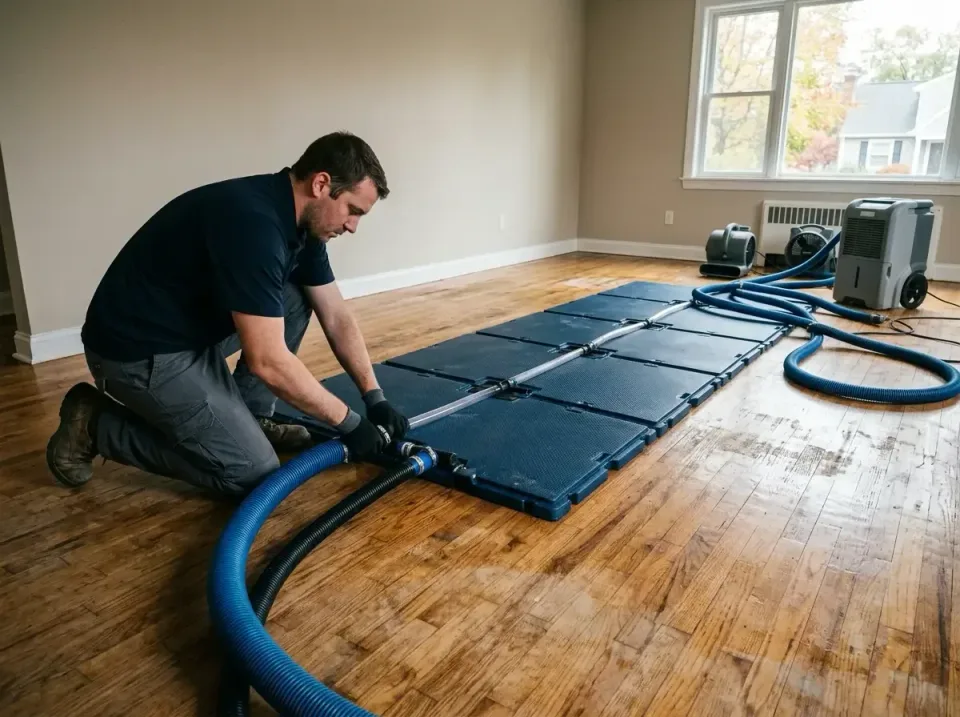
Restoration Technician — Residential Interior
Complete on-site emergency water extraction & drying execution
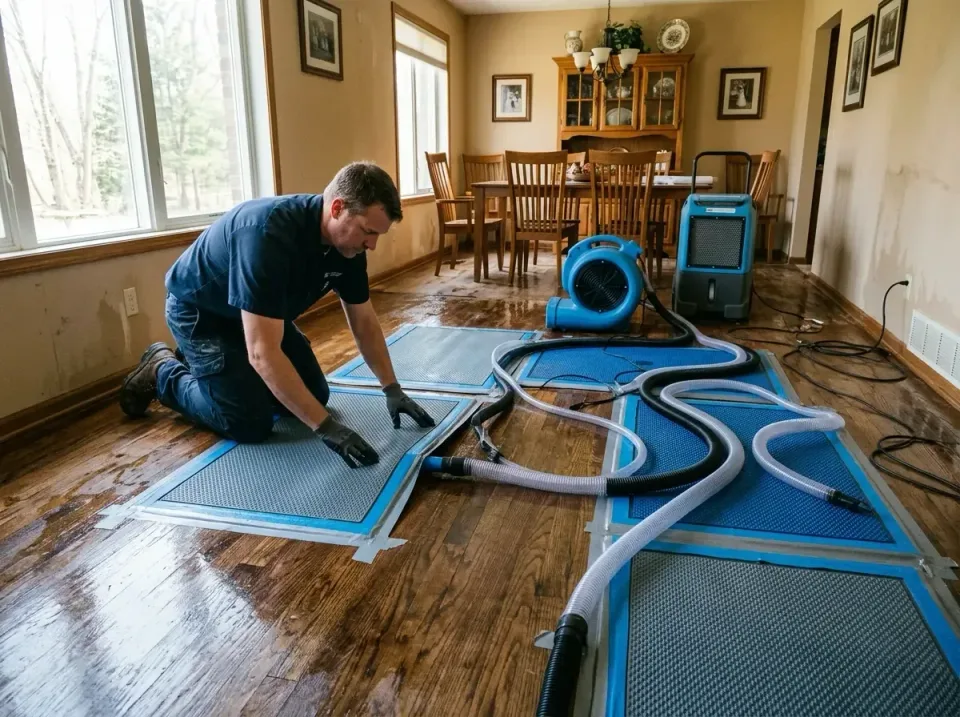
Restoration Technician — Residential Interior
Same-day delivery and flexible scheduling
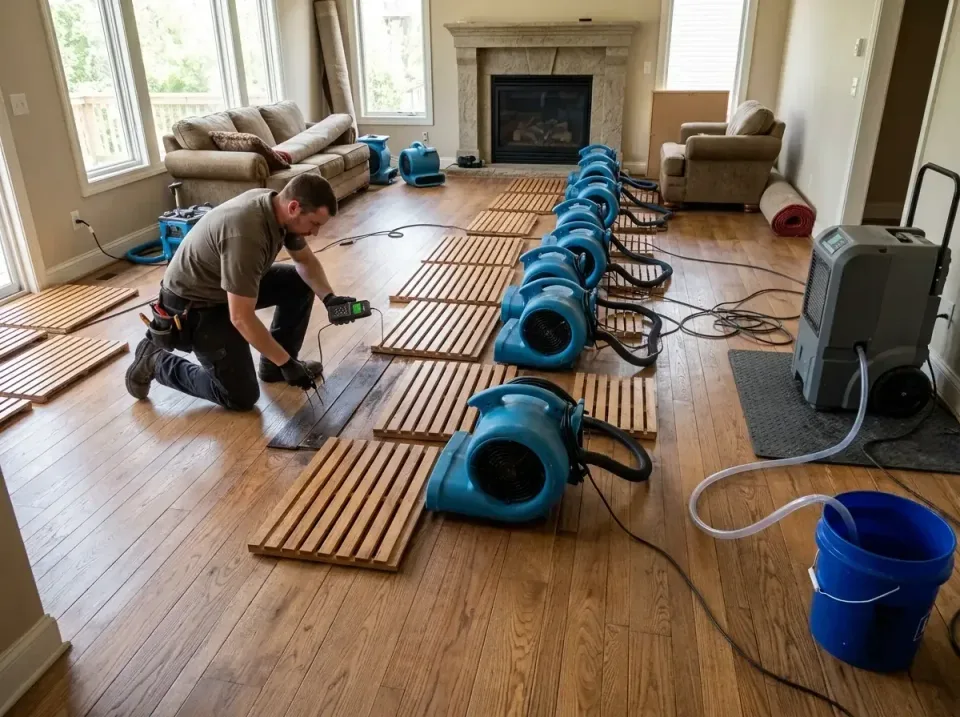
Technician — Water Damage Restoration
Heavy-duty equipment placement and prompt pickup
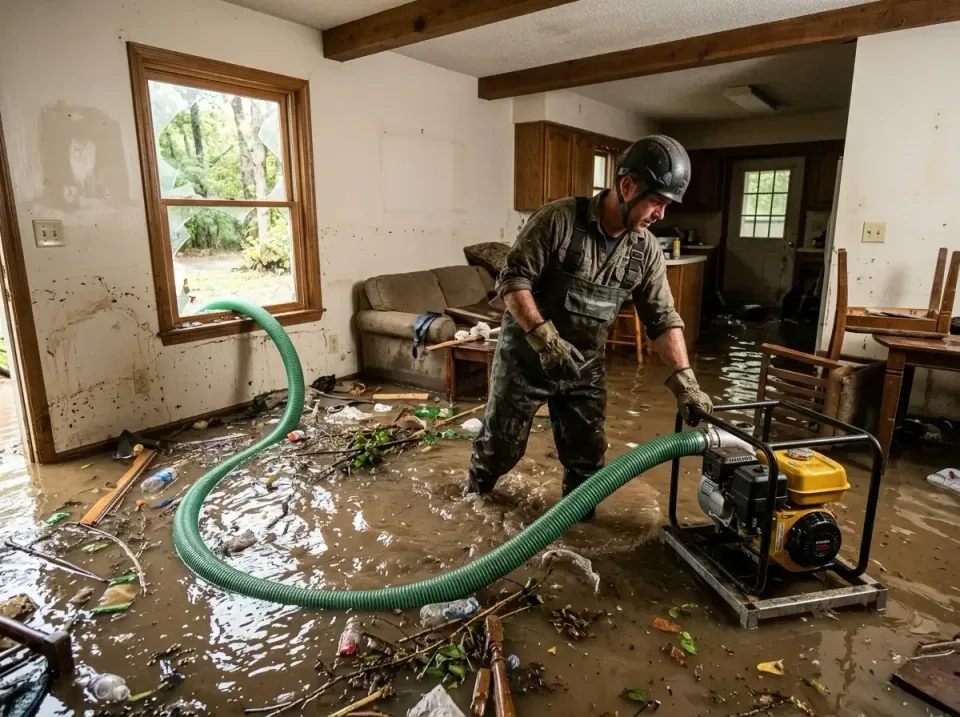
Water Pump — Water Damage Restoration
Custom service setup tailored to site needs
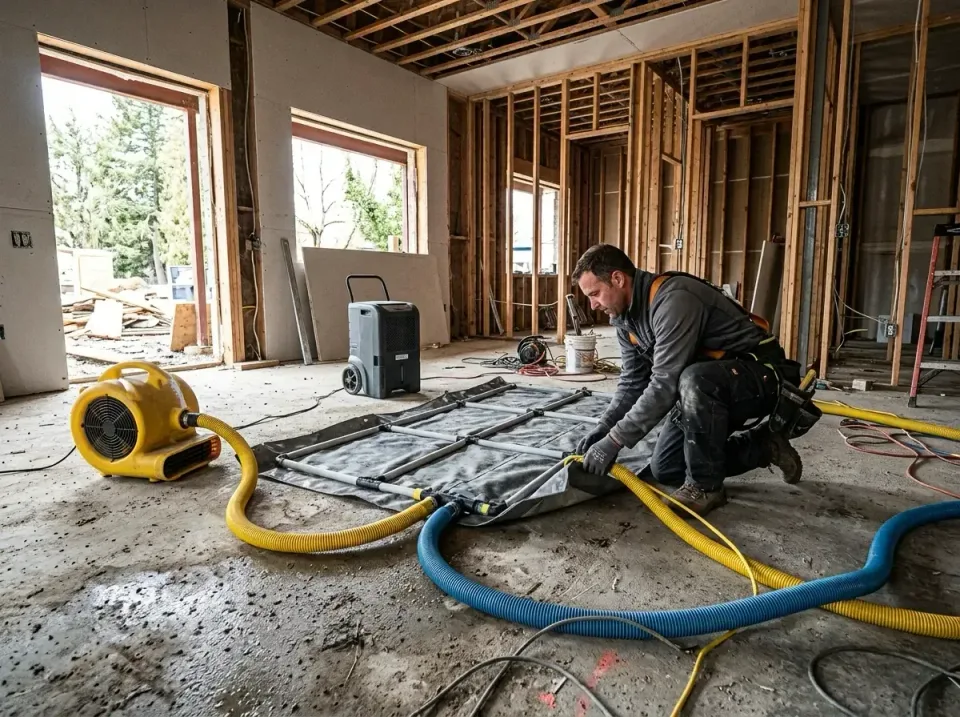
Air Mover — Construction Site
Event-ready restroom and sanitation deployment
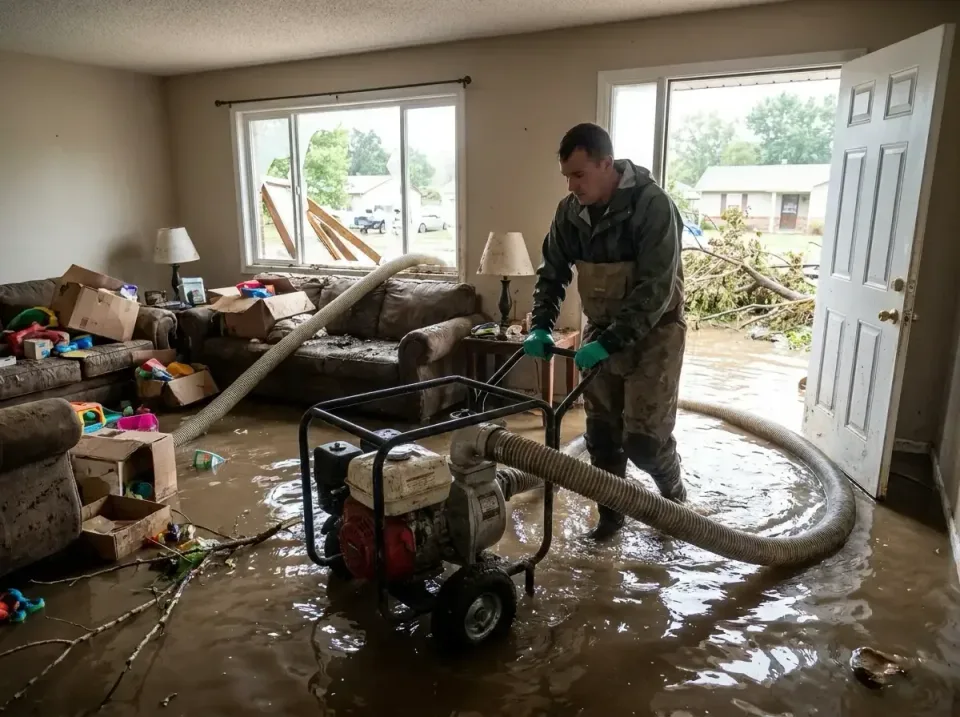
Portable Water Pump — Flooded Living Room
Construction site service with reliable maintenance
Get Your Free Quote Today
Fast response · No obligation · Transparent pricing
Call now or request a quote online. We'll have your units scheduled and delivered within 24 hours.
Where We Serve
Emergency Water Extraction & Drying available across Houston and nearby communities.